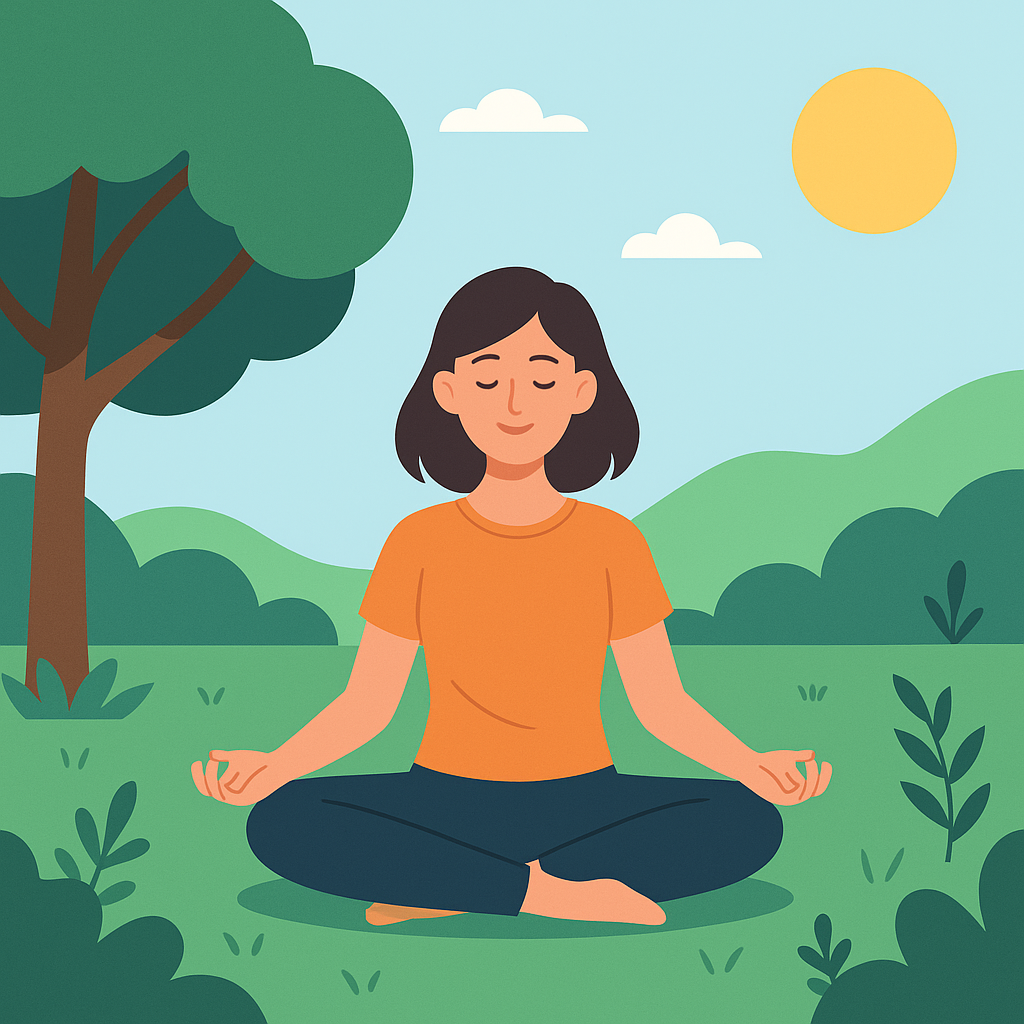
Why Spending Time in Nature Improves Mental Health
Why Spending Time in Nature Improves Mental Health
Many people instinctively feel better after spending time outdoors, but science is now showing clear evidence of how nature improves mental health. From reducing stress to improving emotional balance, nature offers simple and accessible mental health benefits that anyone can experience. Whether it’s a walk in the park, time in the mountains, gardening, or just sitting under a tree, nature acts as a natural remedy for the mind.
Below, we explore how being outdoors supports emotional wellness and why these benefits are so important in our modern, fast-paced world.
1. Nature Reduces Stress Levels
One of the strongest reasons nature improves mental health is its ability to reduce stress. Studies show that natural environments lower cortisol—the body’s primary stress hormone—more effectively than indoor environments.
Exposure to green spaces helps the nervous system shift into a calmer, more regulated state. Even 10 minutes outdoors can make a measurable difference in mood and stress response.
According to Harvard Health Publishing, time spent outdoors activates the body’s natural relaxation response, reducing anxiety and helping the mind recover from stress.
2. Nature Improves Focus and Mental Clarity
Our brains are constantly processing information, screens, notifications, and responsibilities. Spending time in nature helps reset mental fatigue and improves cognitive function.
This effect is explained by “Attention Restoration Theory,” which states that natural environments allow the brain to rest from the intense focus required in daily life. As a result, people often report:
-
Improved concentration
-
Clearer thinking
-
Less mental noise
-
Better problem-solving ability
Even short walks outdoors can boost productivity and creativity.
3. Nature Supports Emotional Regulation
Another important reason nature improves mental health is its ability to stabilize emotions. Outdoor environments—especially those with trees, water, or open landscapes—help regulate the brain’s emotional centers.
Nature exposure increases serotonin and dopamine, two neurotransmitters associated with:
-
Happiness
-
Motivation
-
Emotional resilience
-
Well-being
This makes nature a powerful natural remedy for emotional balance.
4. Spending Time Outside Encourages Social Connection
People often underestimate the social benefits of spending time outdoors. Whether through community events, group walks, or casual interactions in parks, nature encourages healthy social behavior.
Social connection is essential for mental health, and natural settings make it easier to form these positive interactions.
5. Outdoor Time Improves Sleep Quality
Mental health is closely linked to sleep, and outdoor environments improve sleep quality by helping regulate circadian rhythms. Sunlight exposure boosts melatonin production later in the day, supporting deeper and more restorative sleep.
Better sleep results in:
-
Lower anxiety
-
Improved mood
-
Sharper thinking
-
More emotional stability
All key components of better mental health.
6. Simple Ways to Spend More Time in Nature
Here are practical ways to integrate more outdoor time into your routine:
-
Take a short walk during lunch
-
Spend mornings on your balcony or patio
-
Visit local parks or natural trails weekly
-
Try gardening or caring for plants
-
Practice outdoor stretching or meditation
-
Plan occasional outings to forests, lakes, or beaches
These simple habits can significantly improve well-being.
Conclusion
Nature offers one of the most accessible and effective ways to support emotional well-being. From lowering stress and improving focus to regulating emotions and enhancing sleep, the evidence clearly shows how deeply nature improves mental health.
Spending time outdoors doesn’t require special equipment or long routines—small, consistent habits can create significant improvements. By connecting with natural environments regularly, you can support long-term mental health in a simple, natural, and enjoyable way.
If you want to explore additional natural wellness tools, you can also read our article on simple stress relief techniques, which explains science-backed ways to improve emotional balance.